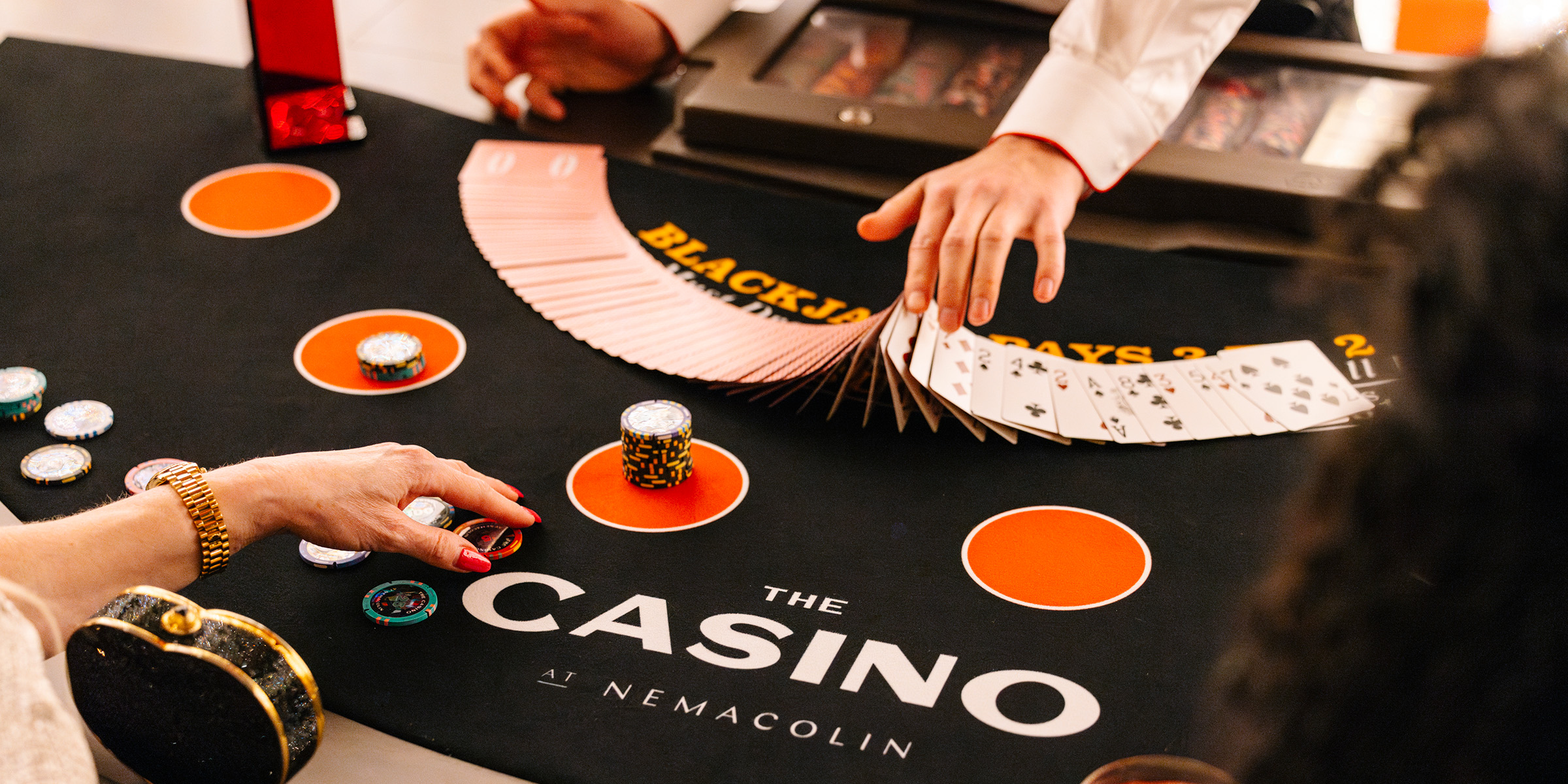
The gaming industry pays great attention to audio design for a good reason. Win notification sounds rank among the most meticulously crafted elements found in digital entertainment today. These auditory cues do something remarkable when they hit your ears. situs toto experience sound systems built specifically to celebrate wins and keep the experience engaging. What makes these audio elements work involves music theory, brain science, and behavioural research coming together to create sounds that genuinely feel rewarding.
Neurological response
The brain actually processes what it hears faster than what it sees. Sound makes the perfect medium for instant feedback because of this biological quirk. Win notifications tap into this reality through careful frequency choices and precise timing. The moment celebration sounds play, your brain starts releasing chemicals linked to pleasure and accomplishment. It all happens incredibly fast. Designers deliberately target neural pathways that evolved over millennia to recognize rewarding environmental signals. Those ascending pitch patterns you hear in most wins? Humans have been wired to respond to natural signals of success and safety since prehistoric times, so they’re mimicking them. Brain imaging technology now shows researchers exactly which sound traits fire up reward centers most powerfully, giving developers the ability to fine-tune their audio with real scientific backing.
Layered audio architecture
Professional platforms use multi-layered sound systems that change based on how big your win is:
- Smaller wins get brief, pleasant chimes that feel nice without going overboard
- Mid-range victories trigger fuller musical sequences with proper harmonic movement
- Big wins unleash complete orchestral pieces with building intensity and sustained fanfare
- Special achievements might add voice clips or unique effect combinations
This setup stops your ears from getting tired while keeping things exciting during long sessions. Each layer goes through individual testing and balancing, so everything stays clear even when several sounds happen at once across different games.

Cultural sound adaptation
Win notification design changes quite a bit depending on where you are in the world. Platforms in Japan lean toward gentler, more melodic sounds that often include samples from traditional instruments their audiences know well. Services popular in Europe tend to pull from classical music, bringing in strings and piano components. American-focused platforms regularly feature punchy brass sections paired with driving percussion. Market research drives these regional splits. Some platforms build completely separate audio libraries for various territories because they know a celebratory sound in Tokyo might feel weird or off-putting in Toronto. The money spent on localized audio tells you just how much these sounds matter for keeping players satisfied and coming back.
Dynamic volume control
Win sounds today include smart volume management that reads the room, so to speak. Notifications begin at reasonable levels, then shift based on what’s happening around you and how you’re playing. Someone running multiple games gets automatic audio balancing to avoid turning everything into noise soup. Rapid-fire wins might generate one combined celebration instead of a chaotic stack of overlapping sounds. This adaptive system keeps everything audible without needing constant manual tweaking. The technology can monitor background noise through the device’s microphone when you allow it, adjusting notification volume to match. Quiet room? get softer cues. Noisy environment? The system pumps up the signal so it breaks through effectively.
Win notification sounds show how entertainment technology works with human biology and cultural knowledge to build genuinely compelling experiences. Short audio moments shape what players remember long after they fade away. With platforms pushing their sonic identity forward, audio engagement will only become sharper.